
  • Intelligence Dimension

    
    • Operations Data & Risk

    • Policy, Standards & Compliance

    • Supply Chain & Procurement

    • Market Pricing & Cost

    • Technology & Performance Benchmark

    • Global Project Radar

  • Industrial Boilers

    
    • Waste-Heat Boilers

    • Steam Boilers

  • Centrifuges

    
    • Disc-Stack Centrifuges

    • Decanter Centrifuges

  • Heat Exchangers

    
    • Shell-and-Tube Exchangers

    • Plate Heat Exchangers

  • Vacuum Pumps

    
    • Liquid-Ring Pumps

    • Dry Vacuum Pumps

  • Air Compressors

    
    • Variable-Speed Systems

    • Oil-Free Compressors

  • Refrigeration Equipment

    
    • Compressors & Refrigerants

    • Industrial Chillers

  • Oct 27, 2026
    How Do You Calculate Air-Source Heat Pump Payback for a Factory?
    Calculate air source heat pump payback for your factory using real energy costs, seasonal efficiency, and incentives. Explore a worked example to make a smarter investment.
    Explore Solutions →
    Contact Us

Get a Quote

Submit

Industrial Boilers

  • How exhaust gas temperature affects waste heat boiler feasibility
    Waste-Heat Boilers
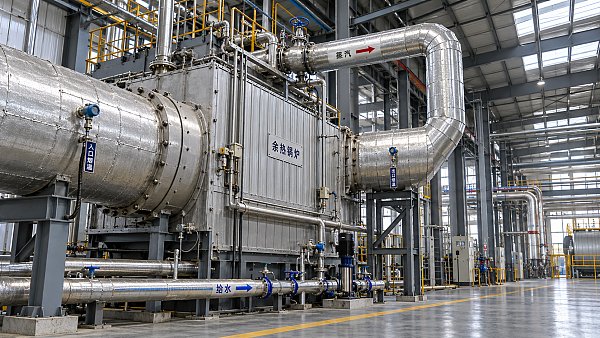
    How exhaust gas temperature affects waste heat boiler feasibility
    Assess Waste Heat Boilers with confidence. Learn how exhaust gas temperature, steam pressure, and corrosion limits shape heat recovery, equipment costs, and project feasibility.
    Oct 28, 2026

View All →

  • Steam Boilers
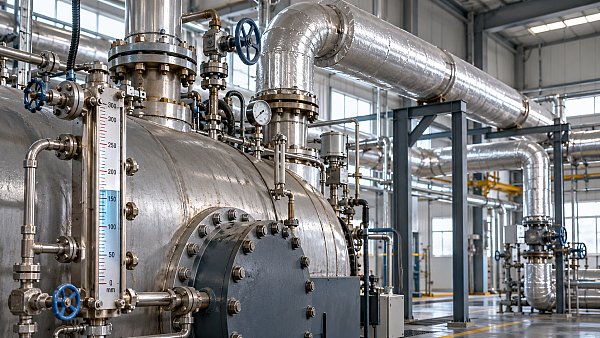
    What causes steam boiler carryover during sudden load changes?
    Steam Boilers can suffer carryover during sudden load changes. Discover how pressure drops, level swell, and foaming cause wet steam—and explore practical ways to improve steam quality.
    Oct 28, 2026
    What causes steam boiler carryover during sudden load changes?

Centrifuges

View All →

  • Decanter Centrifuges
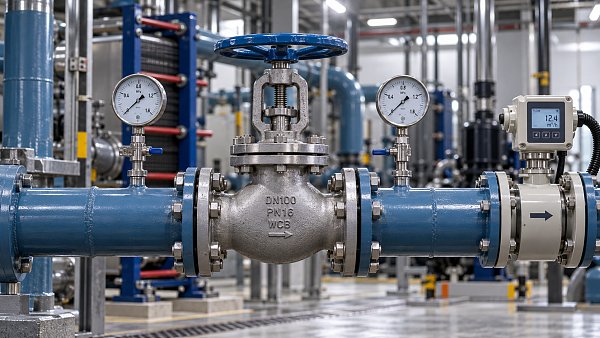
    How Do You Calculate Globe Valve Pressure Drop in Cooling Water Lines?
    Calculate globe valve cooling water pressure drop with Cv and Kv formulas. Explore worked examples to verify pump head, assess cavitation risks, and cut energy costs.
    Oct 28, 2026
    How Do You Calculate Globe Valve Pressure Drop in Cooling Water Lines?
  • Disc-Stack Centrifuges
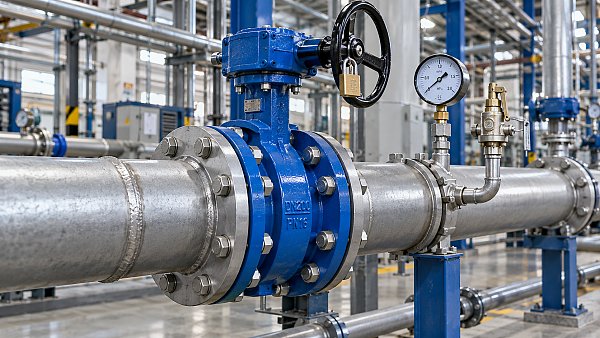
    Are Butterfly Valves Suitable for Isolating Factory Compressed Air Mains?
    Are butterfly valves suitable for isolating a factory compressed air main? Discover key selection criteria, leakage limits, and safe isolation requirements to choose the right valve.
    Oct 28, 2026
    Are Butterfly Valves Suitable for Isolating Factory Compressed Air Mains?

Heat Exchangers

View All →

  • Choosing tube materials for shell and tube heat exchangers in seawater
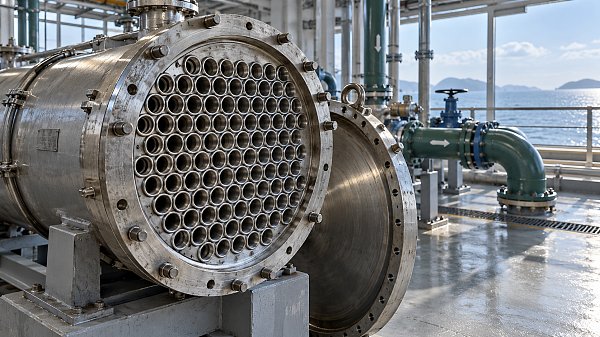
    Choosing tube materials for shell and tube heat exchangers in seawater
    Shell and Tube Heat Exchangers in seawater demand the right tube material. Compare titanium, copper-nickel and duplex alloys to reduce corrosion risks and optimize lifecycle costs.
    Author:
    Time:Oct 28, 2026

Vacuum Pumps

View All →

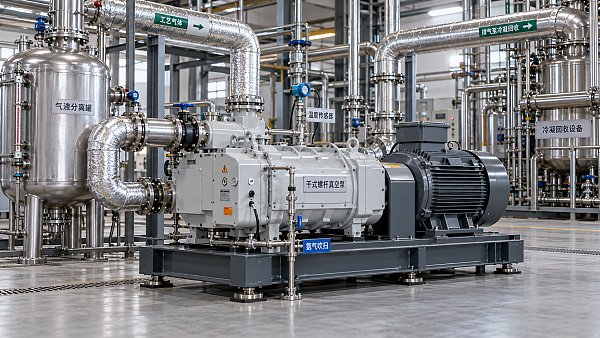
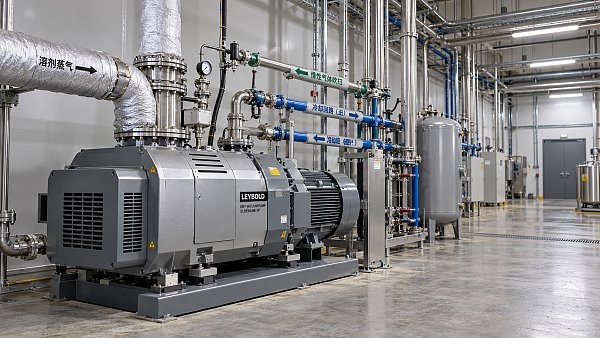
  • When are dry vacuum pumps suitable for solvent vapor service?
    When are dry vacuum pumps suitable for solvent vapor service?
    Vacuum Pumps for solvent vapor service: discover when dry technology fits your process, how to control condensation and flammability risks, and what to verify before choosing a system.
  • Preventing condensation in dry vacuum pumps handling solvent vapors
    Preventing condensation in dry vacuum pumps handling solvent vapors
    Protect Dry Vacuum Pumps from solvent condensation with practical tips on temperature control, inert purge, and operating sequences. Learn how to improve reliability and reduce downtime.
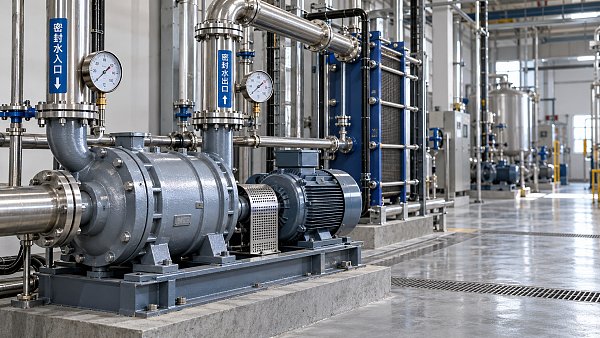
  • How seal water temperature limits liquid ring vacuum pump performance
    How seal water temperature limits liquid ring vacuum pump performance
    Liquid Ring Vacuum Pumps lose capacity as seal water heats up. Learn how to check temperature limits, prevent cavitation, and optimize cooling for reliable vacuum performance.
Vacuum Pumps

View All →

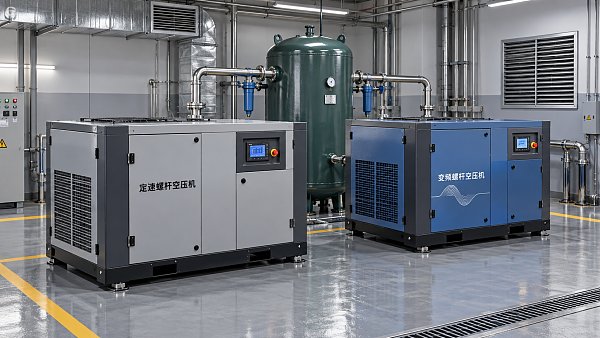
  • Variable-Speed vs. Fixed-Speed Compressors: Which Fits Your Plant?
    Variable-Speed vs. Fixed-Speed Compressors: Which Fits Your Plant?
    Compare variable speed vs fixed speed compressor options for your plant. Explore energy use, demand profiles, and lifetime costs to choose the right fit and avoid costly sizing mistakes.
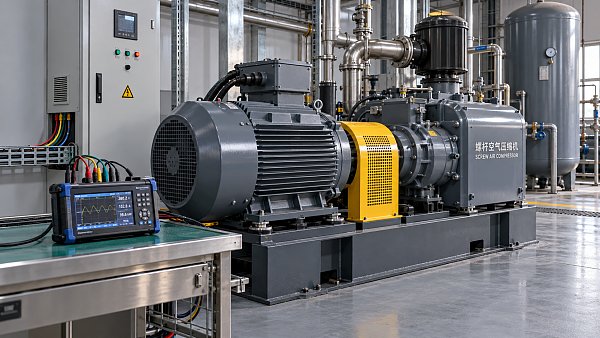
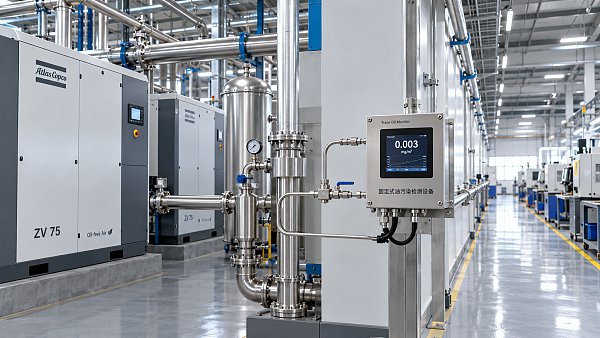
  • Do oil-free air compressors always meet ISO 8573-1 Class 0?
    Do oil-free air compressors always meet ISO 8573-1 Class 0?
    Oil-Free Air Compressors don't automatically meet ISO 8573-1 Class 0. Learn which limits, tests, and certificates to verify before approving your compressed air supply.
Refrigeration Equipment

View All →

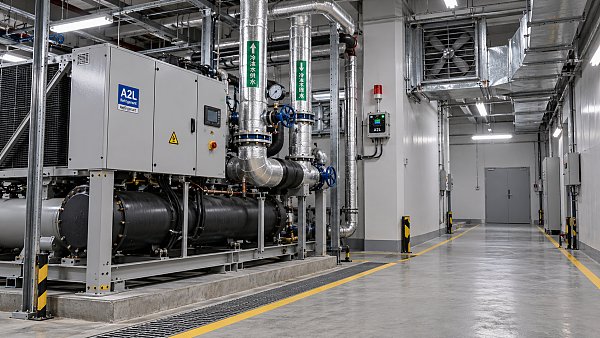
  • When are A2L refrigerants suitable for existing cooling systems?
    When are A2L refrigerants suitable for existing cooling systems?
    Are A2L refrigerants right for your existing cooling system? Explore approval, safety, performance, and cost factors to choose confidently between conversion and replacement.
    Author:
    Time:Oct 28, 2026
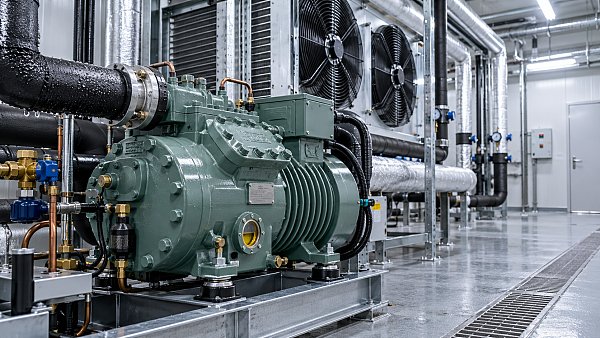
  • What causes liquid slugging in refrigeration compressors?
    What causes liquid slugging in refrigeration compressors?
    Refrigeration Compressors can suffer liquid slugging from floodback, migration, or defrost issues. Discover key causes and practical checks to prevent damage and costly downtime.
    Author:
    Time:Oct 28, 2026
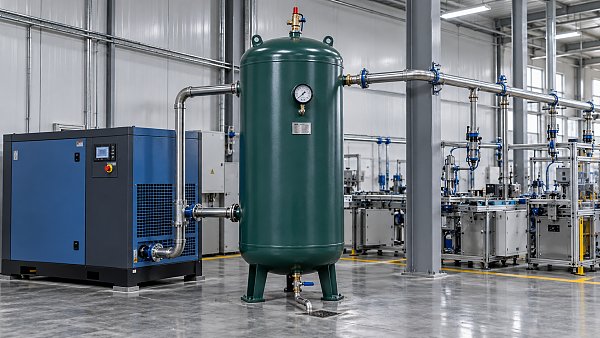
  • How to size air compressors for peak compressed air demand
    How to size air compressors for peak compressed air demand
    Size Air Compressors for peak demand with practical guidance on airflow, receiver storage, and controls. Learn how to prevent pressure drops and avoid costly oversizing.
    Author:
    Time:Oct 28, 2026
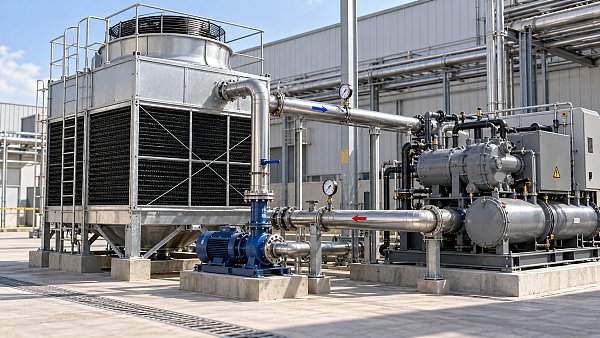
  • How Do You Size a Cooling Tower for a Compressor?
    How Do You Size a Cooling Tower for a Compressor?
    Master compressor cooling tower sizing with heat-load calculations, water-flow guidance, and wet-bulb checks. Explore a worked example to avoid overheating and costly oversizing.
    Author:
    Time:Oct 28, 2026
  • Is an IE4 Motor Upgrade Worth It for a Mostly Part-Load Compressor?
    Is an IE4 Motor Upgrade Worth It for a Mostly Part-Load Compressor?
    Is an IE4 motor upgrade worth it for a compressor that runs mostly at part load? Compare actual efficiency, energy savings, and installed costs to discover when the investment pays off.
    Author:
    Time:Oct 28, 2026
Global Industrial Thermal & Fluid Equipment Portal

Global Industrial Thermal & Fluid Equipment Portal (GITF) is an independent international B2B information portal for industrial thermal, fluid, pressure, and process equipment. It is designed for plant engineers, utility managers, maintenance leaders, original equipment manufacturers, system integrators, procurement teams, energy managers, industrial investors, and technical buyers who select, operate, upgrade, or maintain equipment in demanding industrial environments.

GITF covers refrigeration systems, air compressors, vacuum pumps, heat exchangers, centrifuges, boilers, pressure equipment, pumps, cooling systems, process utilities, controls, monitoring equipment, and related service technologies. Its purpose is to help professionals understand how equipment performs within an actual process rather than judging a machine only by its catalog rating or headline capacity.

Industrial equipment operates under conditions that vary from site to site. Ambient temperature, humidity, elevation, cooling-water quality, inlet pressure, discharge pressure, gas composition, process fluid, operating hours, load profile, contamination, vibration, maintenance quality, and control strategy can all influence performance. GITF therefore connects equipment specifications with process duty, site conditions, energy consumption, controls, service access, reliability, safety, and total cost of ownership.

The portal provides structured information for the full equipment life cycle. Early-stage coverage examines process requirements, capacity selection, operating pressure, thermal loads, utility availability, installation conditions, and system design. Procurement-stage reporting evaluates manufacturers, configurations, efficiency, materials, controls, documentation, delivery schedules, spare parts, warranty terms, commissioning support, and service networks. Operating-stage coverage addresses energy use, production stability, maintenance intervals, condition monitoring, component replacement, downtime, repair planning, and equipment renewal.

GITF places particular emphasis on the difference between rated performance and real site performance. A compressor’s published airflow may be measured under a defined reference condition that does not match the temperature, pressure, altitude, or humidity of the user’s facility. A refrigeration system’s cooling capacity may change with condensing temperature, evaporating temperature, refrigerant selection, heat rejection conditions, and part-load operation. A heat exchanger’s performance depends on flow rate, fouling, pressure drop, fluid properties, temperature approach, and maintenance condition. The portal explains these relationships so buyers can make more realistic comparisons.

Energy performance is a central part of GITF coverage. Industrial thermal and fluid equipment can account for a significant share of facility energy use. The portal evaluates motor efficiency, compression ratio, pressure control, variable-speed operation, fan and pump performance, heat rejection, insulation, control logic, standby losses, and part-load behavior. It also examines heat recovery opportunities, such as recovering compressor heat for process water, space heating, cleaning systems, boiler feedwater, or other useful applications.

Refrigeration coverage includes industrial chillers, cold storage, process cooling, cascade systems, heat pumps, condensing units, compressors, evaporators, condensers, controls, and refrigerant management. GITF follows lower-impact refrigerants, refrigerant charge reduction, leak detection, safety classification, system conversion, recovery, and technician requirements. It recognizes that refrigerant selection must reflect efficiency, pressure, flammability, toxicity, climate conditions, service capability, and applicable national rules.

Air compressor coverage includes rotary screw, reciprocating, centrifugal, oil-free, lubricated, high-pressure, and specialized process compressors. Reports consider flow stability, pressure requirements, air quality, oil carryover, drying, filtration, condensate management, cooling, noise, reliability, and maintenance. Vacuum pump reporting covers rotary vane, dry screw, claw, liquid ring, roots, diaphragm, and other technologies. It connects ultimate vacuum, pumping speed, vapor handling, contamination tolerance, operating temperature, oil management, and service access with actual process duties.

Heat exchanger coverage examines plate, shell-and-tube, air-cooled, brazed, scraped-surface, spiral, and specialized designs. GITF considers material compatibility, fouling, corrosion, cleaning methods, pressure drop, thermal cycling, inspection, gasket replacement, and life expectancy. Centrifuge coverage includes separation, clarification, concentration, dewatering, solids handling, balancing, vibration, throughput, wear parts, and automation. Boiler coverage includes steam and hot-water systems, burners, combustion controls, feedwater treatment, blowdown, emissions, pressure protection, efficiency, heat recovery, and maintenance.

Safety and compliance are treated according to jurisdiction. Pressure equipment, boiler requirements, refrigerant rules, emissions requirements, inspection obligations, certification systems, and operator qualifications can differ substantially between countries and regions. GITF identifies the relevant jurisdiction, authority, equipment category, publication date, and effective date when reporting such requirements. It avoids applying one market’s rules broadly to another market without clear justification.

Serviceability is another major theme. An efficient machine can still create high operating cost if filters, seals, valves, bearings, control panels, heat-transfer surfaces, or safety devices are difficult to inspect or replace. GITF examines access, standard maintenance tasks, spare-part availability, diagnostic tools, service intervals, technician requirements, shutdown procedures, and planned overhaul needs.

The portal serves both new equipment buyers and operators managing installed assets. It supports equipment selection, capacity expansion, retrofit planning, energy improvement, replacement decisions, maintenance budgeting, reliability programs, and utility optimization. For OEMs and system suppliers, it provides a professional environment to explain equipment design, control capabilities, efficiency, safety features, service programs, and application suitability.

GITF aims to become a dependable reference for industrial thermal and fluid equipment decisions. By combining technical specifications, process context, energy analysis, regulatory information, maintenance guidance, and lifetime cost evaluation, it helps industrial organizations improve reliability, control operating expenses, use energy more effectively, and select equipment that remains suitable throughout its working life.

Submit


Industry News

  • Intelligence Dimension

  • Industrial Boilers

  • Centrifuges

  • Heat Exchangers

  • Vacuum Pumps

  • Air Compressors

  • Refrigeration Equipment

Get to know us

  • News

  • About

  • Contact Us

Copyright © Global Industrial Thermal & Fluid Equipment Portal

Site Index

